
I'm 52 and Tried Everything for My "Menopause Skin." Here Are 5 Things I Wish I'd Known Sooner.
After retinol wrecked my face, I almost gave up. Then I found out why nothing was working.

I'll be honest with you. Somewhere around 49, I looked in the mirror and didn't recognize my own skin.
It happened fast. Drier. Thinner. Slack around the jaw. Lines that appeared what felt like overnight. I'd taken decent care of myself my whole life, so it felt deeply unfair — like someone flipped a switch and my face aged five years in one.
So I did what everyone says to do. I spent money. A lot of it. And most of it made things worse before it made them anything. Here's what I learned the hard way — the stuff I genuinely wish someone had told me at 45.
It wasn't "just aging." It was a collagen cliff — and it's real.
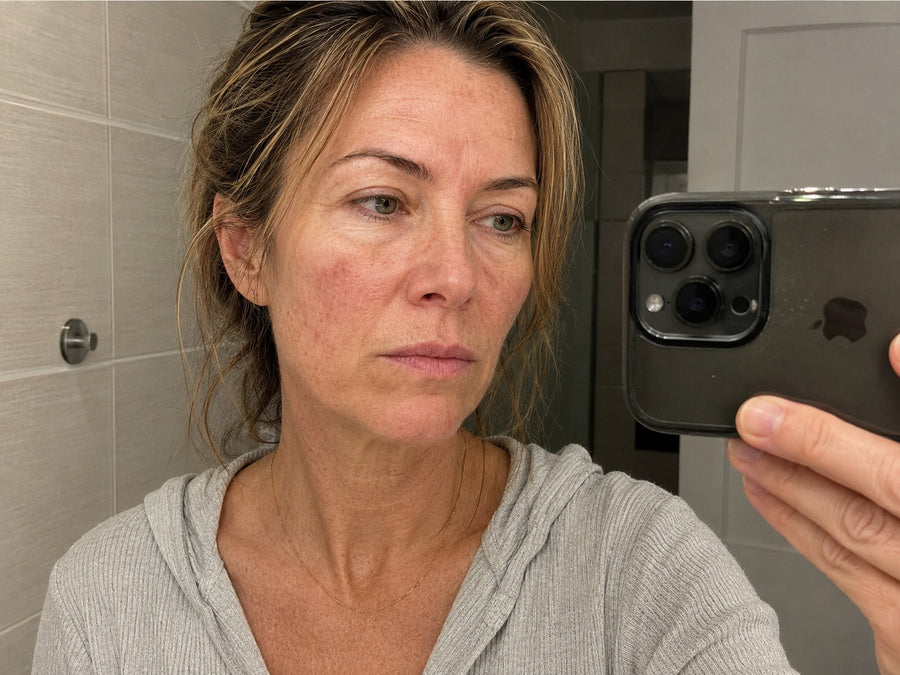
This was the one that made me stop blaming myself. When your estrogen drops in perimenopause and menopause, your skin loses collagen fast — dermatologists put it at around 30% in the first five years. Thirty percent. No wonder my old routine stopped working. I wasn't imagining it, and I wasn't doing it "wrong." My skin had genuinely changed underneath me.
Retinol isn't the hero everyone swears it is — at least not for skin like mine.
Everyone pushed retinol. So I tried it. Within weeks I had burning, red patches, and flaking so bad I hid at home. I later understood why: retinol works by forcing your skin to turn over faster. On tired, depleted midlife skin, forcing it harder is exactly the wrong move.
I'm not saying it's bad for everyone — but I was done being told it was the only answer while my face paid the price.
The thing my skin actually needed, it used to make on its own.
This was the lightbulb. Your skin makes its own repair signal — a copper peptide called GHK-Cu. When you're young, you have loads of it. As you age, your supply drops. So my skin wasn't broken. It was running low on something it once had in abundance. That reframed everything: I didn't need to force my skin. I needed to give back what it lost.
This "new" ingredient is actually 50 years old — which is exactly why I trusted it.
I'm suspicious of anything TikTok calls a miracle. But GHK-Cu isn't a trend — it was isolated from human plasma back in 1973 and studied for decades in wound healing before beauty ever noticed it. That history is the reason I gave it a shot. It wasn't invented by a marketing team last year. It was rediscovered.
The one I stuck with was the gentle one — and gentle turned out to be the point.
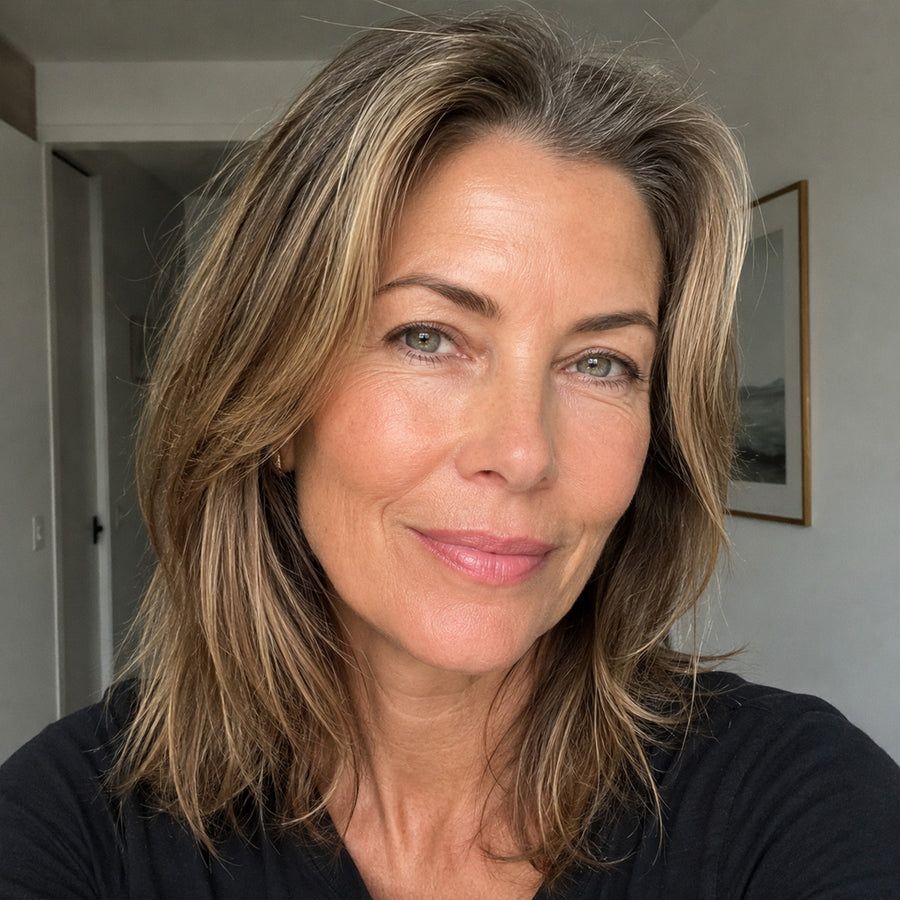
I ended up on Lanarie Native Serum. It's Copper Tripeptide-1, that same GHK-Cu, with hyaluronic acid and — this mattered to me — no retinol, no acids. Repair without the burn. My skin felt plumper and dewier in the first week. The bigger change, the firmer look, came over a couple of months. Not overnight. But real, and without a single day of my face "burning from merely existing."
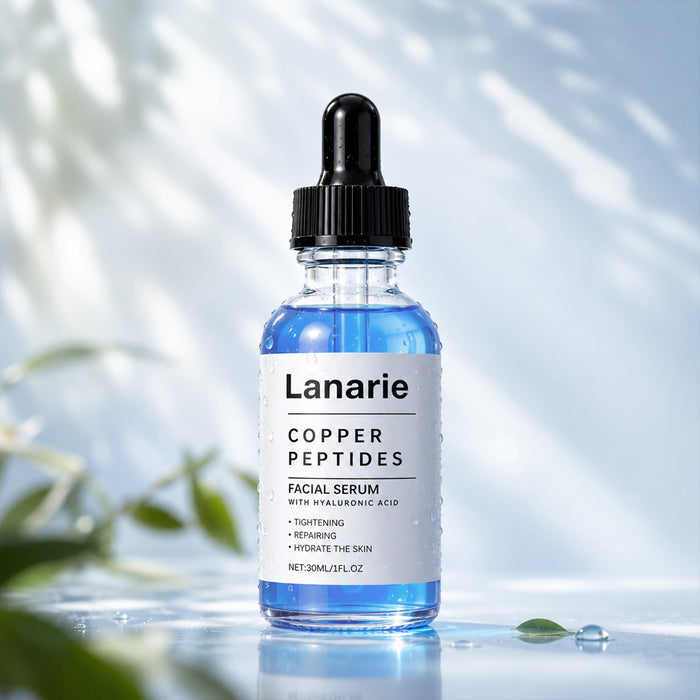
The same repair molecule native to your own skin — delivered gently, with hyaluronic acid and glycerin. No retinol. No acids. No forcing.
See the full formula →You were handed the wrong tool for the skin you have now. The switch that flipped when your hormones dropped? You can quietly start flipping it back — gently, with the signal your skin's been asking for. At that point I figured the only thing I had left to lose was the feeling of being invisible.